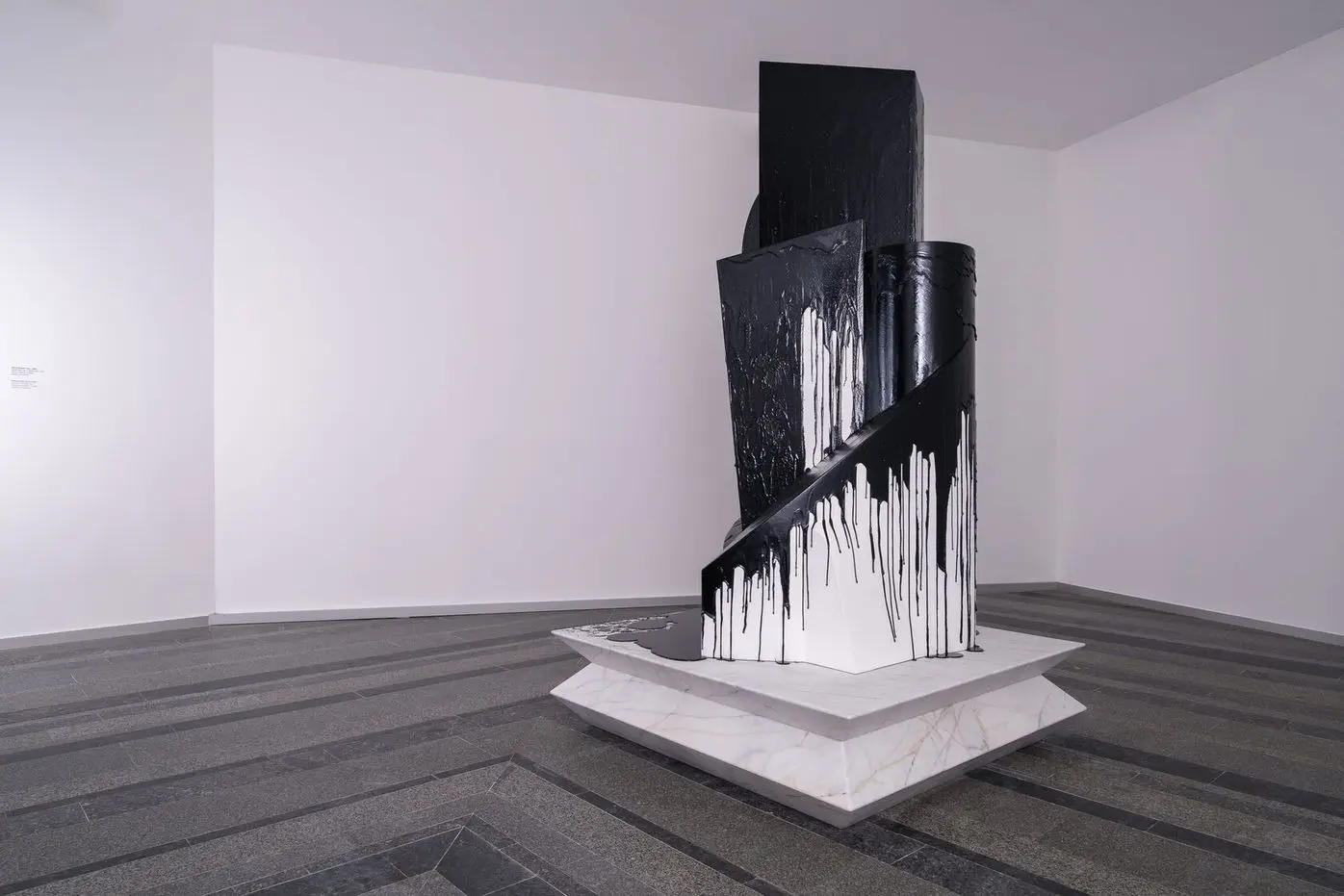
Nikita Kadan. “Residents of the Colosseum.” 2018. Sound sculpture
Job description
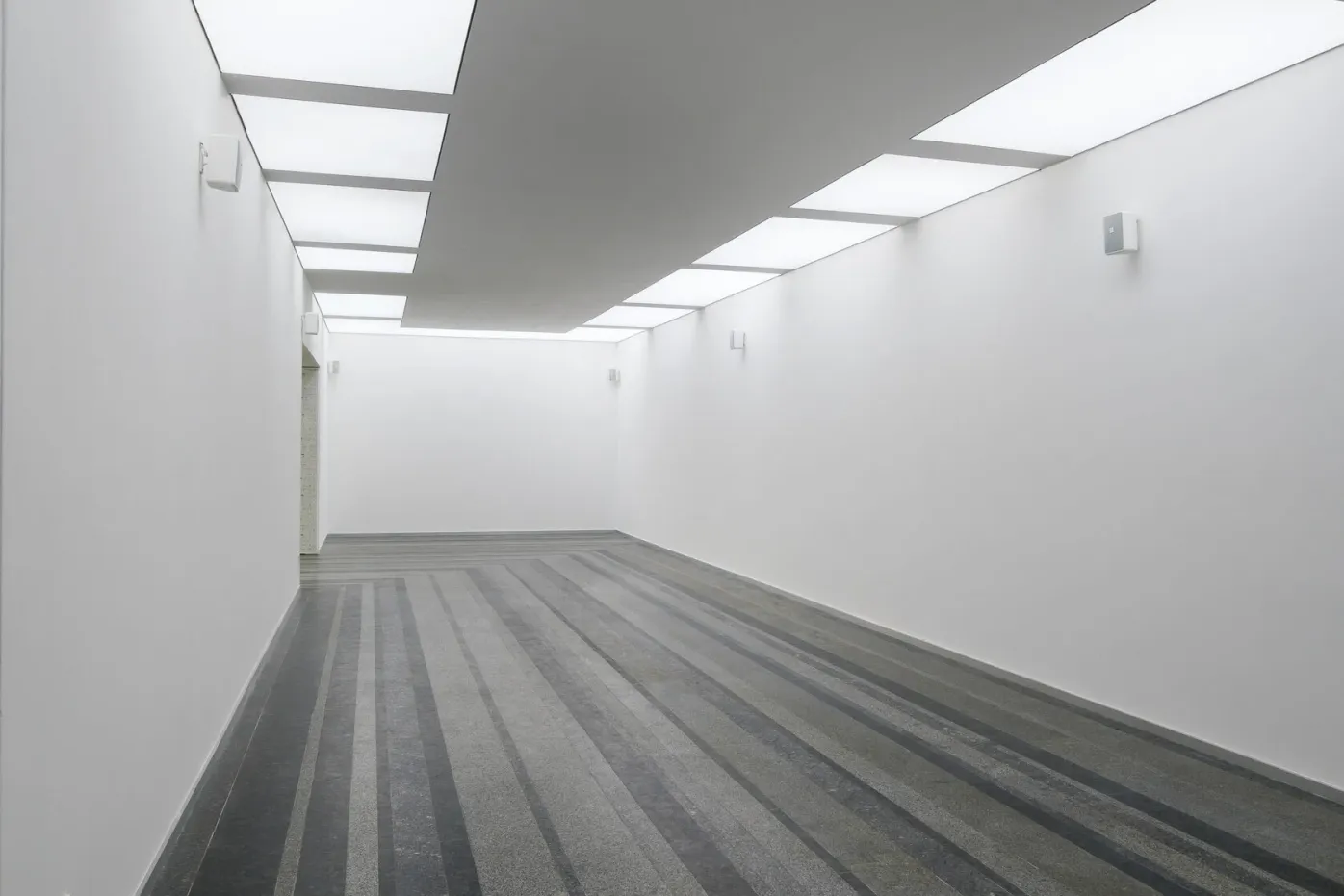
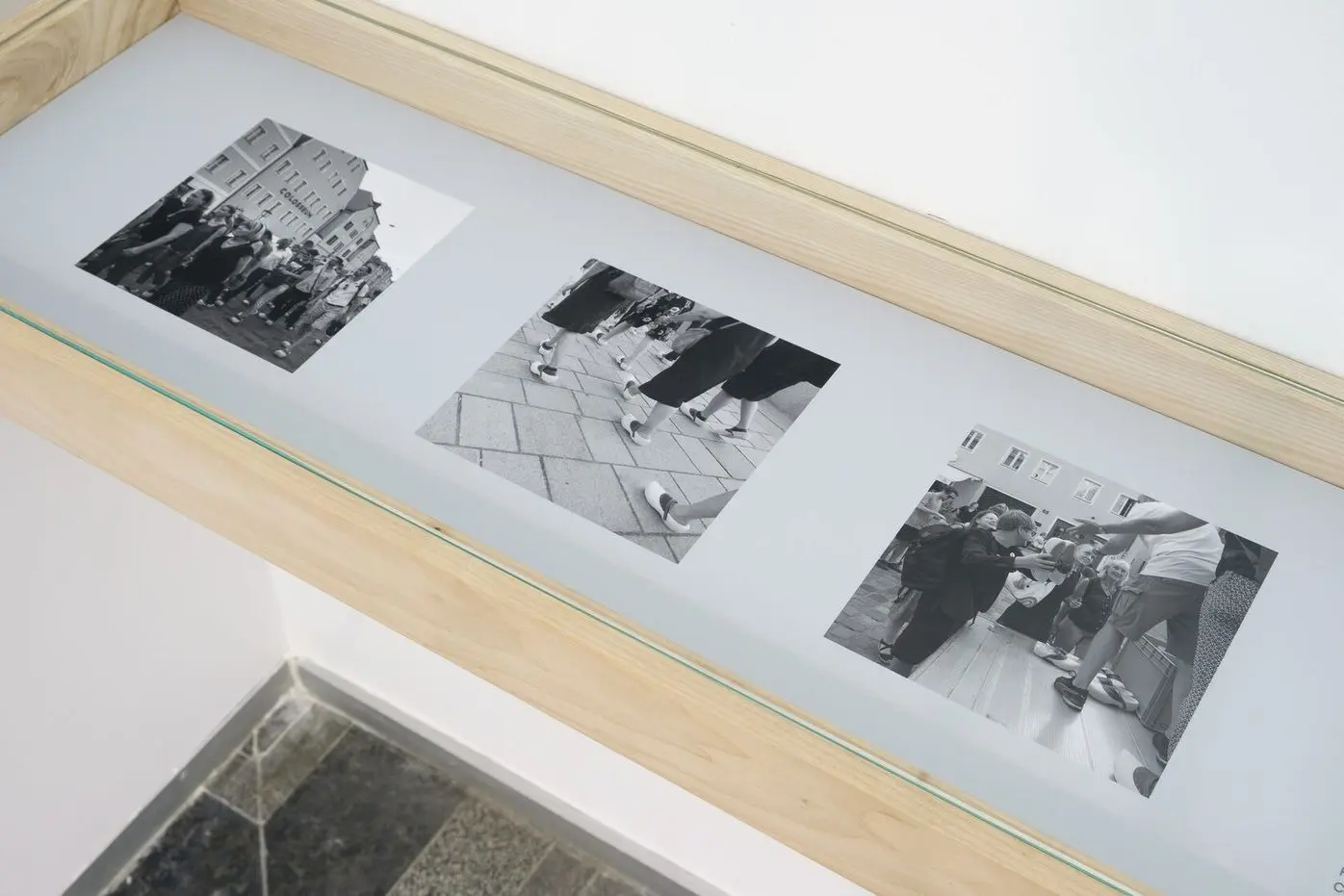
The theme of political violence, embedded in binary worldviews, guides us through the exhibition in both direct and indirect ways. A key work in this regard is “Residents of the Colosseum” (2018). It first appears as a sound piece at the beginning of the exhibition, but without a title or explanation until the very end, where it emerges in a different form. The sound piece is the sound of several hundred pairs of wooden clogs walking on a stone bridge (the work at the beginning of the exhibition has no title or textual description). The sound refers to Nikita Kadan’s public action in Regensburg in 2018. The artist called to publicly remember over 400 prisoners who were held from March 19 to April 24, 1945, in a branch of the Flossenbürg concentration camp in the building of the former colosseum in Regensburg. The prisoners worked on restoring the railway connection and walked daily, wearing wooden clogs, from their camp across the stone bridge to the railway in Regensburg. Within five weeks, one-tenth of the prisoners died.

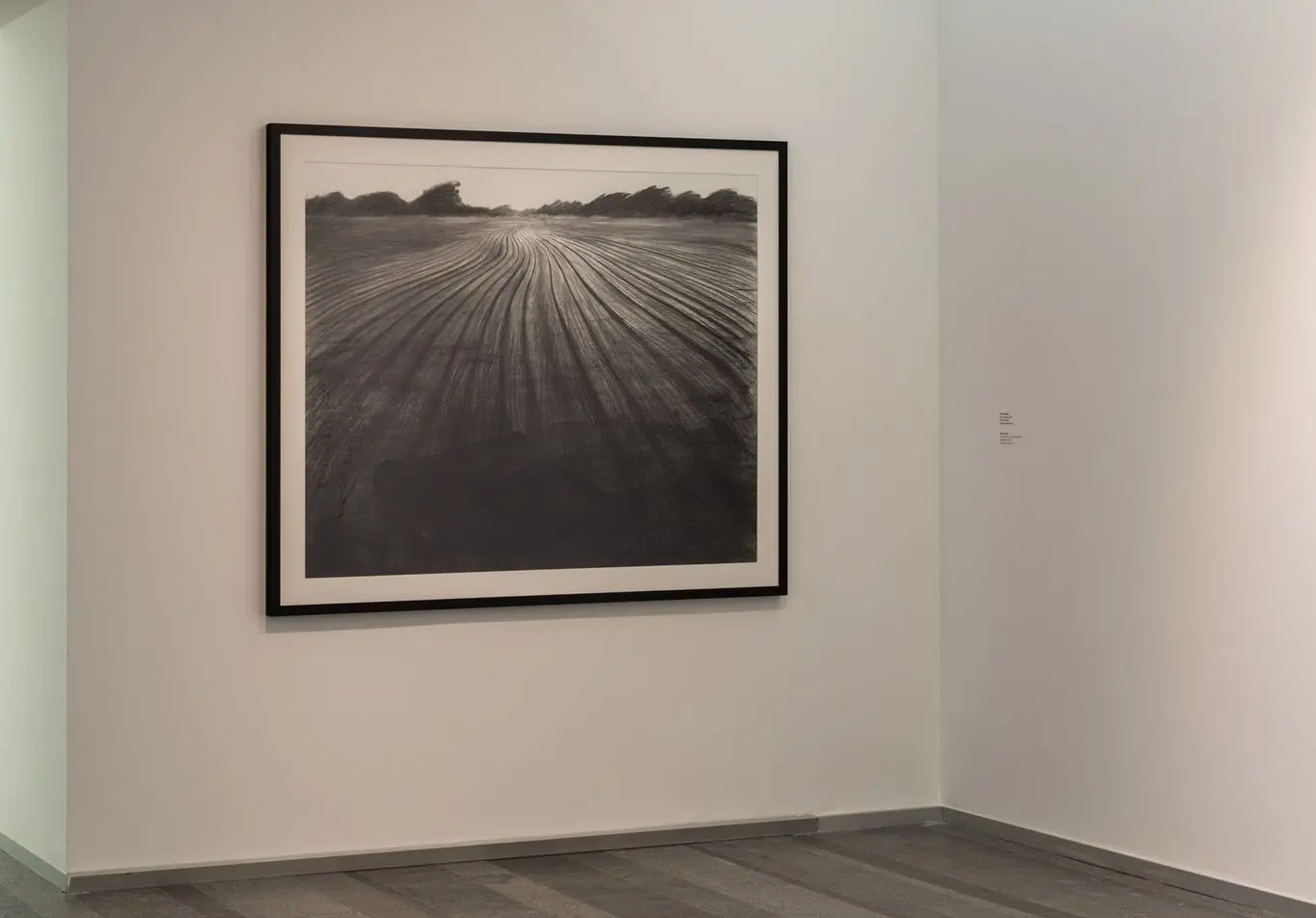
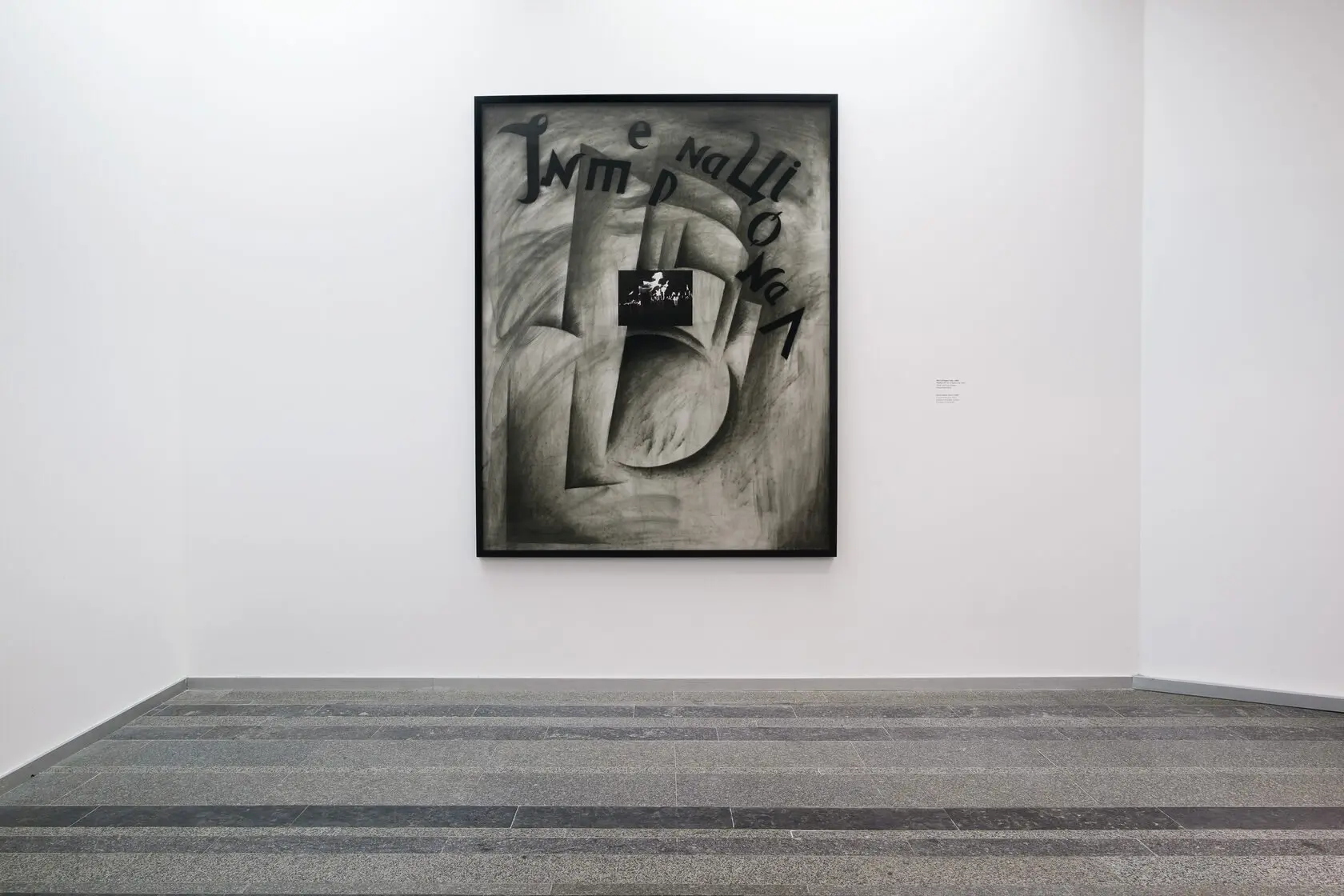
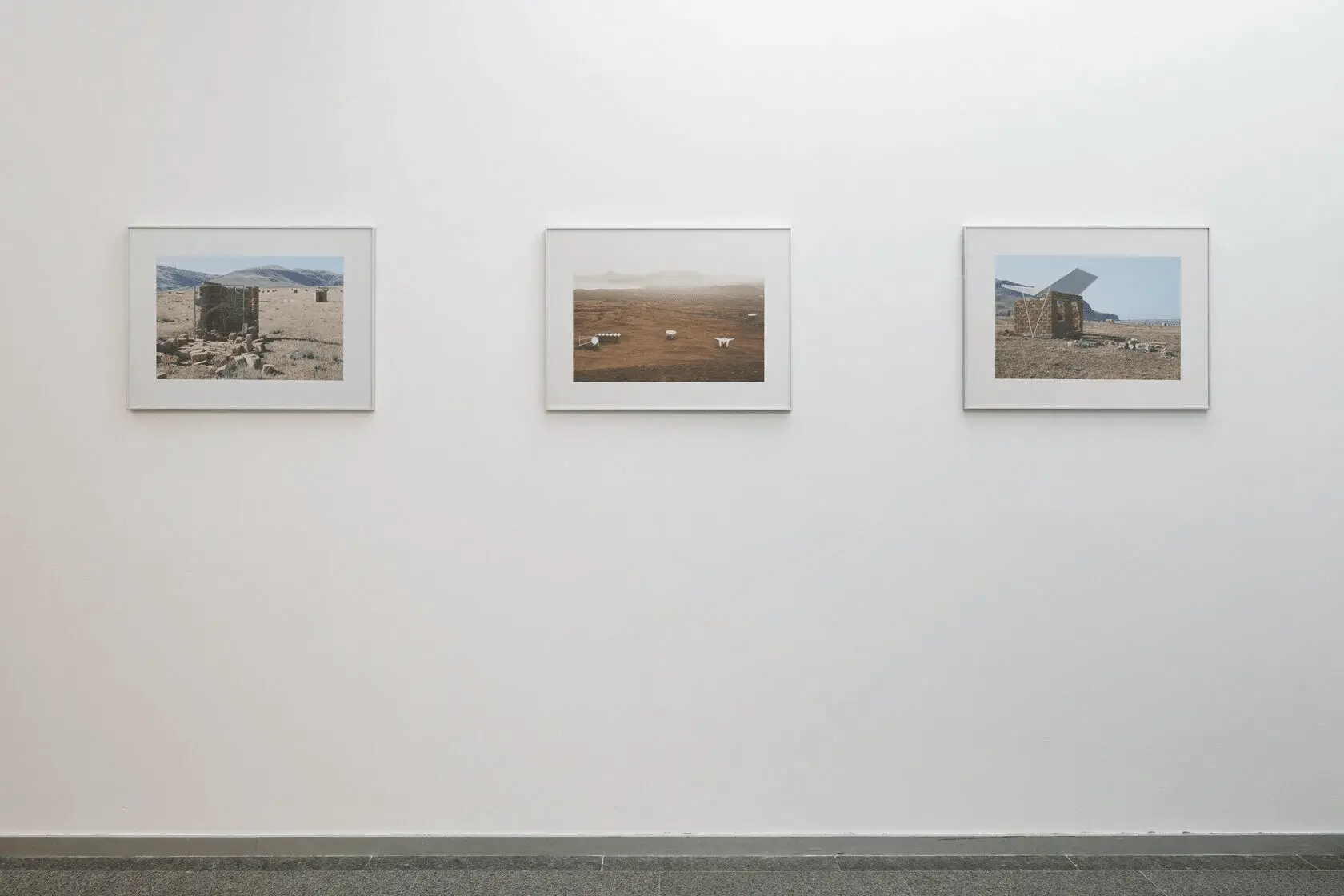
«Камінь б’є камінь», вигляд експозиції, 2021, PinchukArtCentre, Київ
«Камінь б’є камінь», вигляд експозиції, 2021, PinchukArtCentre, Київ
«Камінь б’є камінь», вигляд експозиції, 2021, PinchukArtCentre, Київ
The decision to leave the sound piece at the beginning of the exhibition without a title or explanation allows the installation to go beyond its original intentions and gain a certain ambiguity. This is a deliberate manipulation that invites reading the work in the context of opening up space, rather with thoughts about Marxist ideals, revolution, and peasant resistance. The story about fascism, inherent in the original content of the work, unfolds at the very end of the exhibition and complicates the interactions that occurred after the first demonstration of “Residents of the Colosseum.” This confusion forces a reconsideration of the works and a rethinking of the consequences of fascist history and ideology in relation to Ukrainian historical narratives and contemporary challenges in Ukraine and in the global context.
- Heldhof, B. “Stone Hits Stone”: the past as an urgent present // Nikita Kadan. Stone Hits Stone. — Kyiv: Research Platform PinchukArtCentre, 2021. — 80 p.