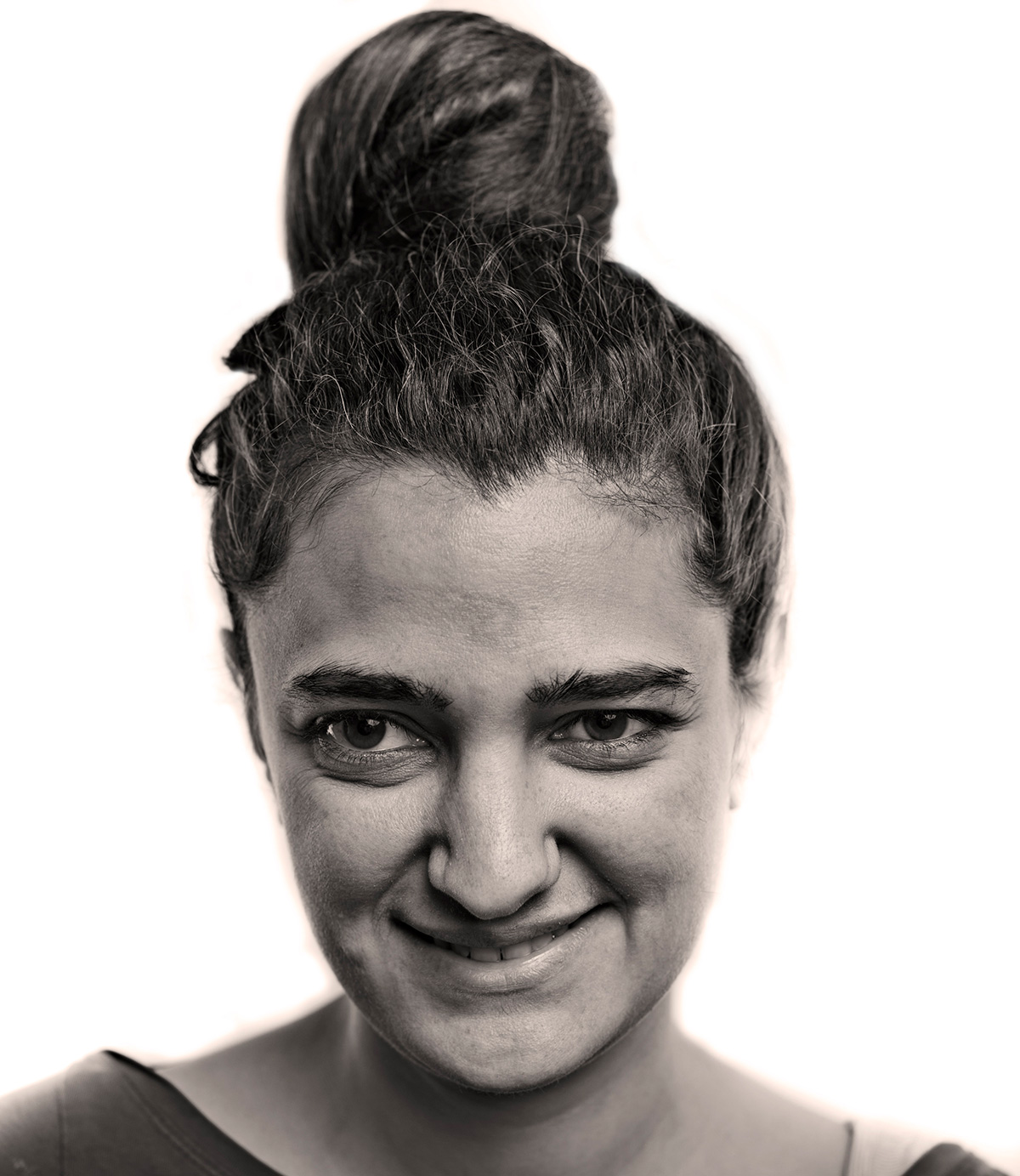
Marwa Arsanios
Marwa Arsanios was born in 1978 in the USA. She lives and works in Beirut, Lebanon. Arsanios obtained her MFA from the University of the Arts, London, in 2007 and currently is a researcher in the fine arts department at the Jan van Eyck Academie, Maastricht. She has been granted the artist’s residency at the Arab Image Foundation, Beirut, in 2009 and the research residency at the Tokyo Wonder Site in 2010. She participated in numerous group exhibitions including No Soul forSale, Tate Modern, London (2010), the 12th Istanbul Biennial (2011) and the Liverpool Biennial (2012).
Through a strategy of collecting and archiving, Marwa Arsianos examines historic traces relating to the modernization of the Arabic states in the 1960s. Her focus is on urban planning in Lebanon’s capital Beirut, where she reinterprets buildings, publications and events in a process of study and appropriation. Hovering on the boundary between reality and fiction, the resulting work is a series of archival installations, texts, films and performances that reflect on the contemporary politico-social issues in the Middle East from a historical perspective.
The Special Prize winner
Marwa Arsanios was born in 1978 in the USA. She lives and works in Beirut, Lebanon. Arsanios obtained her MFA from the University of the Arts, London, in 2007 and currently is a researcher in the fine arts department at the Jan van Eyck Academie, Maastricht. She has been granted the artist’s residency at the Arab Image Foundation, Beirut, in 2009 and the research residency at the Tokyo Wonder Site in 2010. She participated in numerous group exhibitions including No Soul forSale, Tate Modern, London (2010), the 12th Istanbul Biennial (2011) and the Liverpool Biennial (2012).
Through a strategy of collecting and archiving, Marwa Arsianos examines historic traces relating to the modernization of the Arabic states in the 1960s. Her focus is on urban planning in Lebanon’s capital Beirut, where she reinterprets buildings, publications and events in a process of study and appropriation. Hovering on the boundary between reality and fiction, the resulting work is a series of archival installations, texts, films and performances that reflect on the contemporary politico-social issues in the Middle East from a historical perspective.
The Special Prize winner
Exhibition
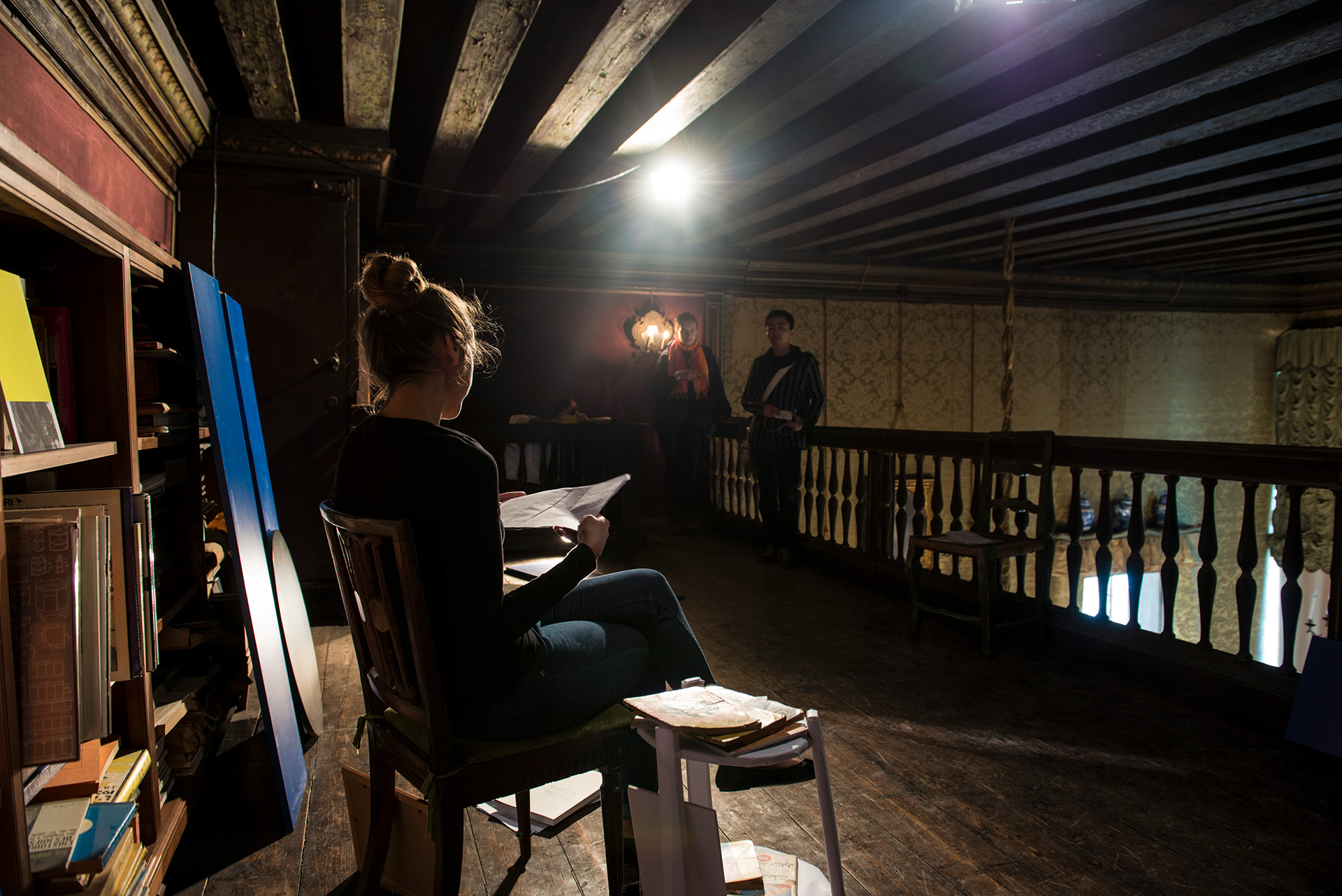
“Have You Ever Killed a Bear?” or Becoming Jamila.
Performance and set (wooden boards and prints)
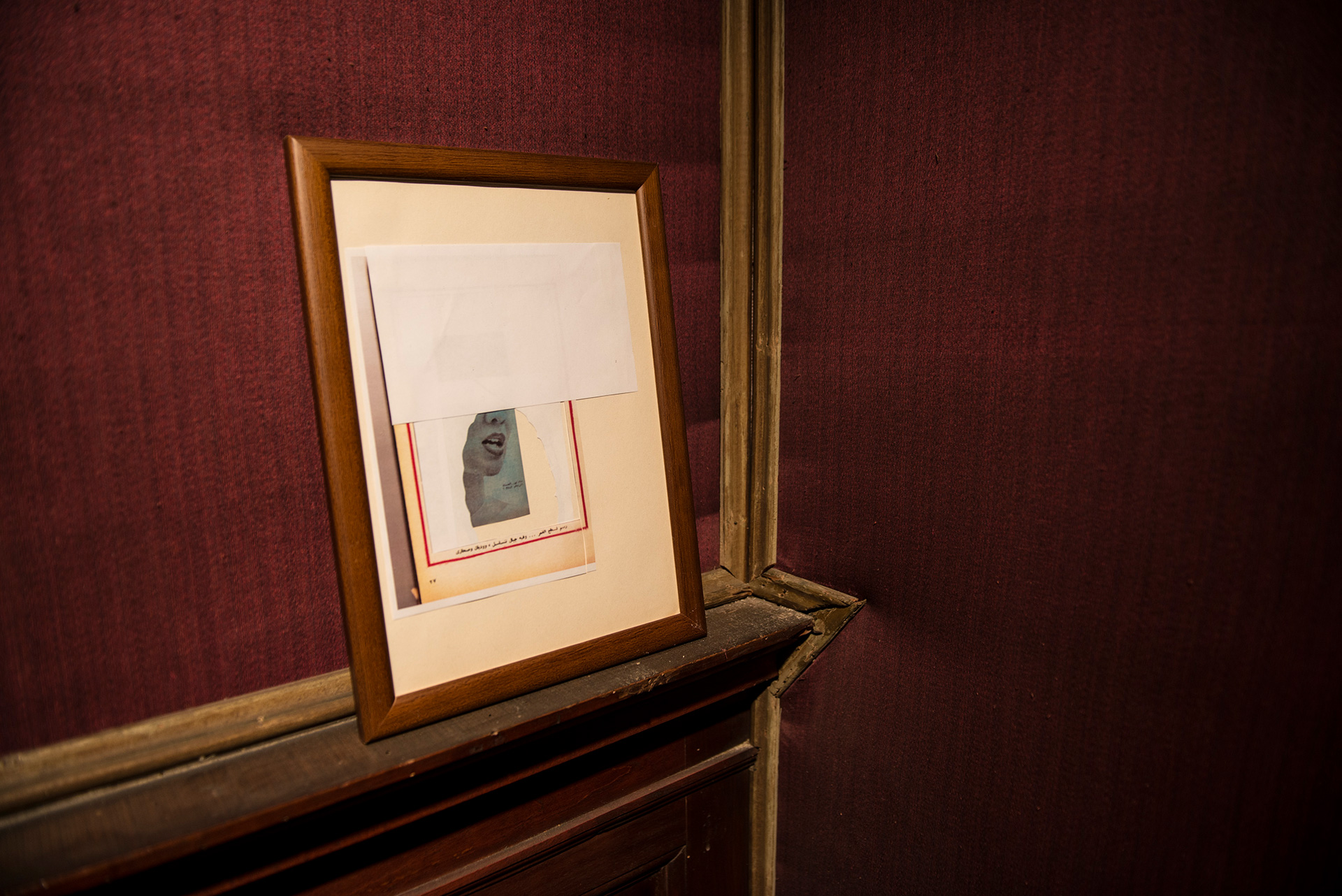
“Have You Ever Killed a Bear?” or Becoming Jamila.
Performance and set (wooden boards and prints)
“Have You Ever Killed a Bear?” or Becoming Jamila.
Performance and set (wooden boards and prints)
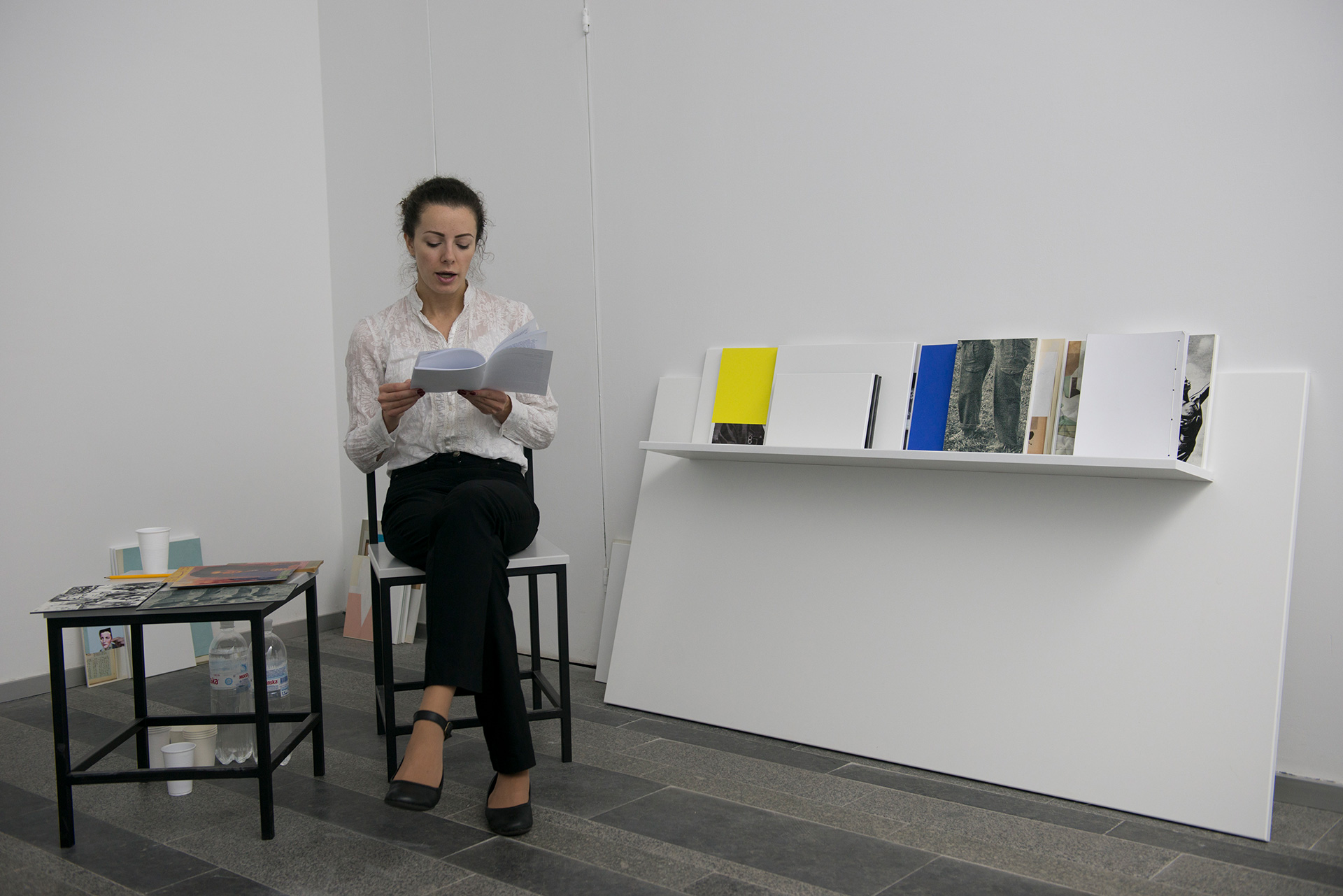
“Have You Ever Killed a Bear?” or Becoming Jamila
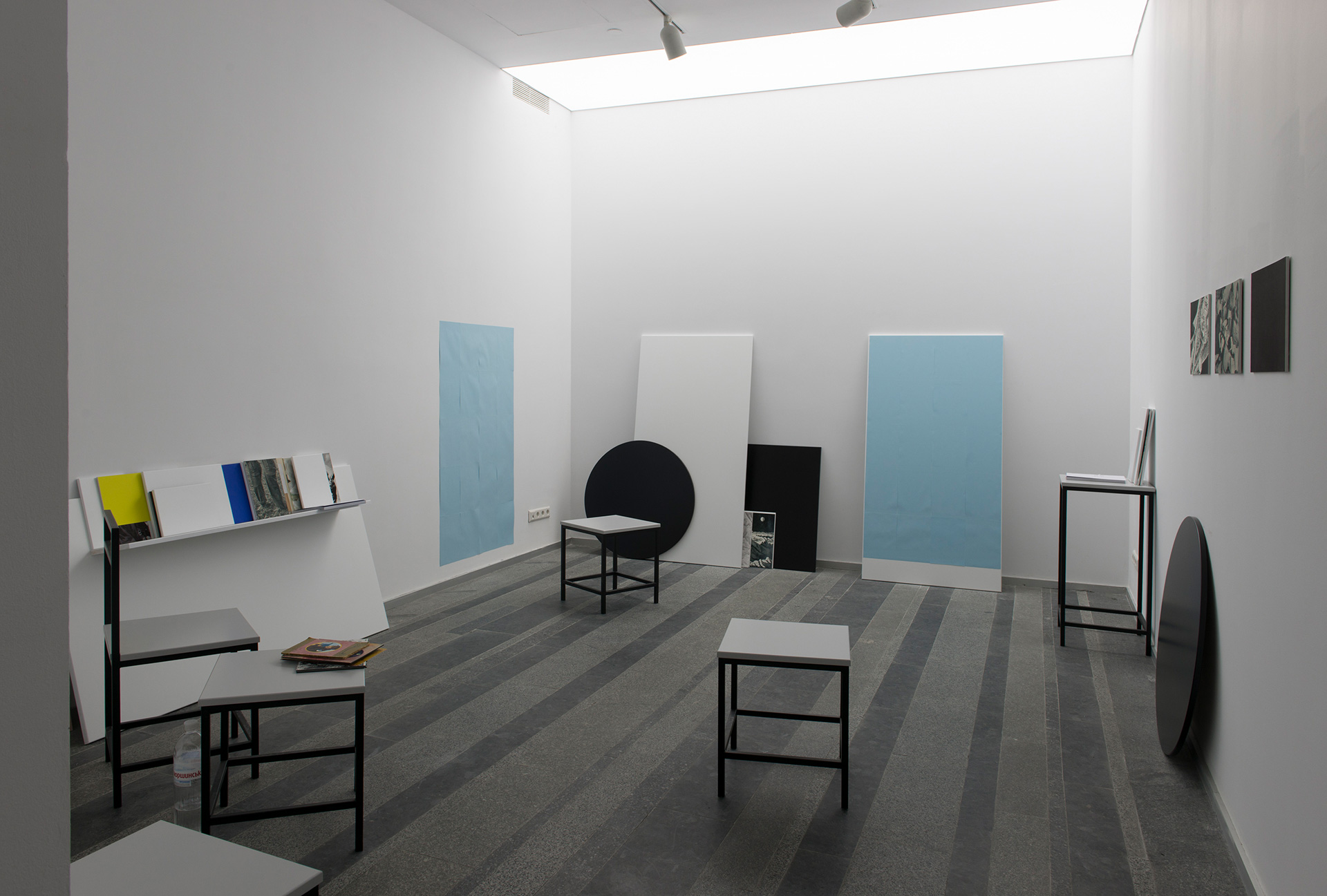
Words as Sounds Language as Rhymes
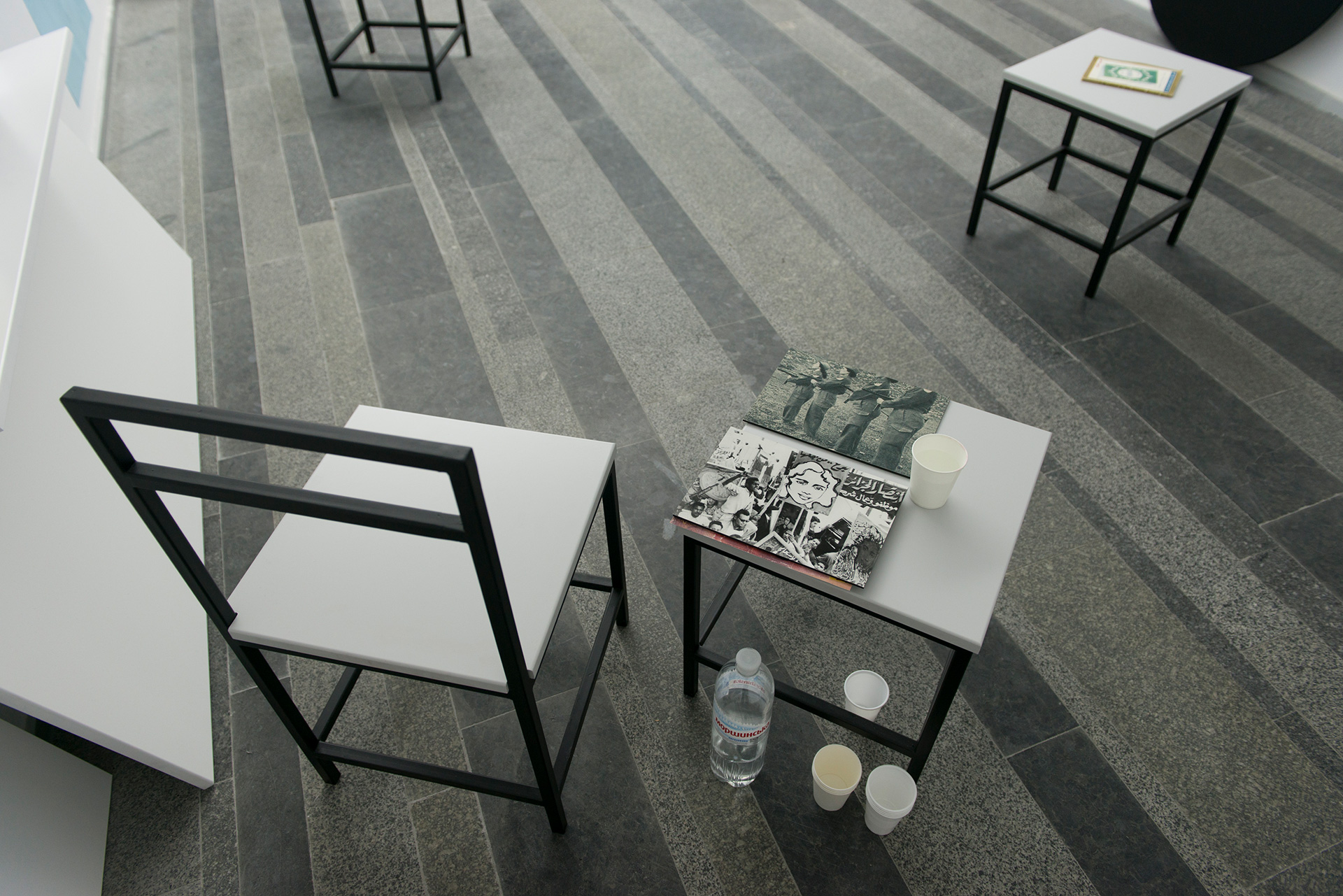
Words as Sounds Language as Rhymes

SUBSCRIBE
TO OUR NEWSLETTER
and stay updated on art news